

Explore Ashby de la Zouch
Ashby is a market town with a ruined castle, a museum, a historic church and a park. Everything on this page is within easy reach of the town centre.
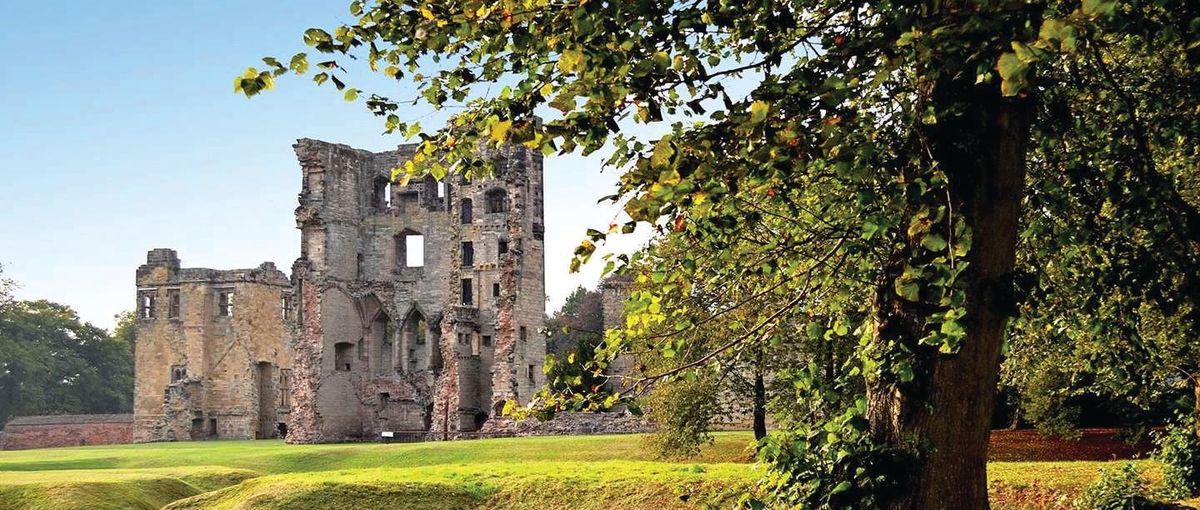
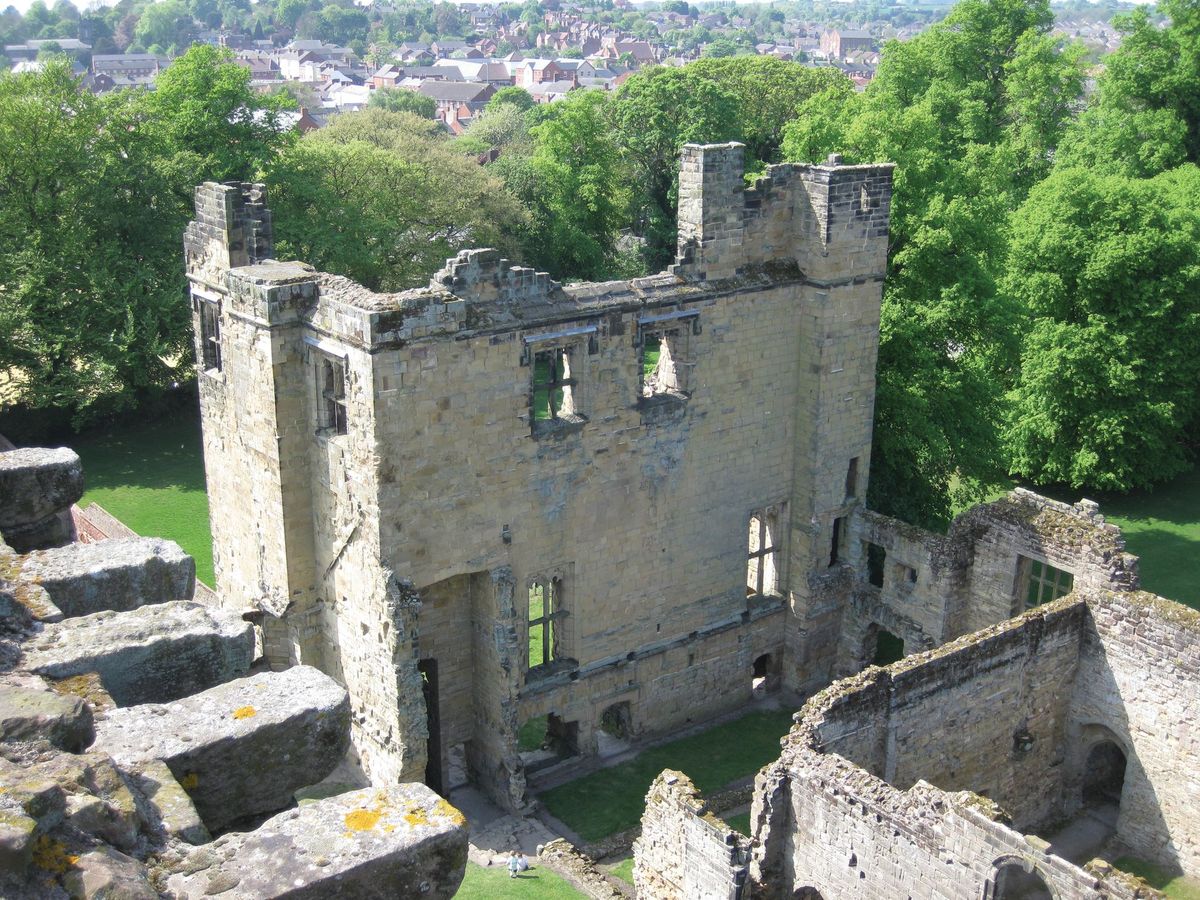
Ashby Castle
Built as a manor house in the 12th century and made a castle in the 15th by Lord Hastings, Edward IV's Lord Chamberlain. Climb the Hastings Tower for views across the town and explore the underground passage from the kitchen to the tower.
South Street, LE65 1BR · 01530 413343
Opening days change with the seasons, so check English Heritage before you visit.
Heritage trail
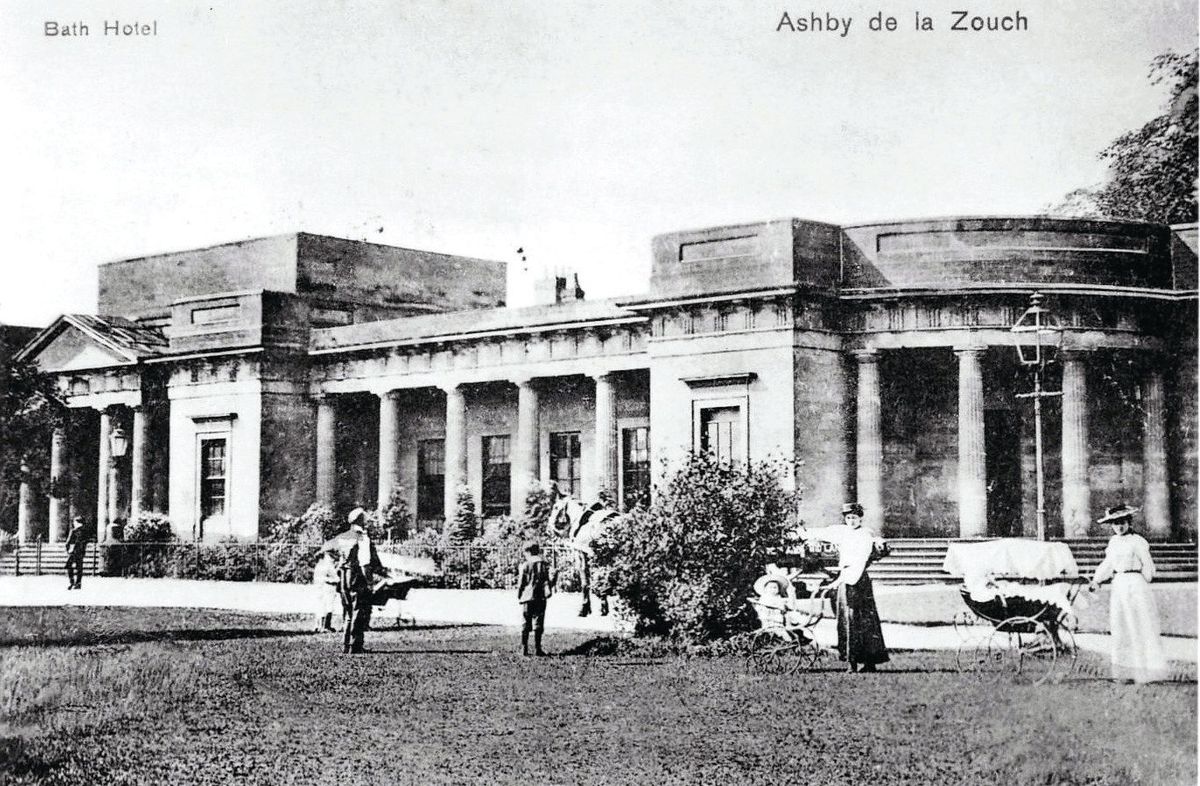
The Bath Grounds Heritage Trail has five heritage boards, numbered waymarkers and two community mosaics telling the story of Ashby's 19th-century spa: the Ivanhoe Baths, the Royal Hotel, Rawdon Terrace and the old Midland Railway station. Free printed guides are available from the Tourist Information Centre and Ashby Museum on North Street, or online at bathgroundsfriends.com.
Ivanhoe
In 1819 Sir Walter Scott set the great tournament in his novel Ivanhoe, the "gentle and joyous passage of arms", in the lists at Ashby de la Zouch, with Prince John presiding. The book was a sensation, and visitors came looking for the real Ashby. The town leaned in: the Ivanhoe Baths opened in 1822, Ivanhoe Terrace and the Royal Hotel followed, and Ashby became a fashionable spa town.
You'll still see the name everywhere: Ivanhoe School, Ivanhoe Business Park and the Ivanhoe Way cycle route.
Ashby Museum
Ashby Museum is on North Street and tells the story of the town and its people.
North Street · 01530 587530 · ashbymuseum.org.uk
Also on North Street: the Venture Theatre (venturetheatre.co.uk) and the library.
Bath Grounds
The Bath Grounds, off South Street and Station Road behind the Royal Hotel, were laid out in the 1820s as pleasure grounds for visitors to the Ivanhoe Baths. Today they're the town's main park, home to Ashby Hastings Cricket Club (founded 1831), the bowls club, tennis, a play area and the Bath Grounds Heritage Trail, and they host big events like Ashby Food Festival.
Look for the Loudoun Memorial at the South Street entrance, designed by Sir George Gilbert Scott.
St Helen's Church
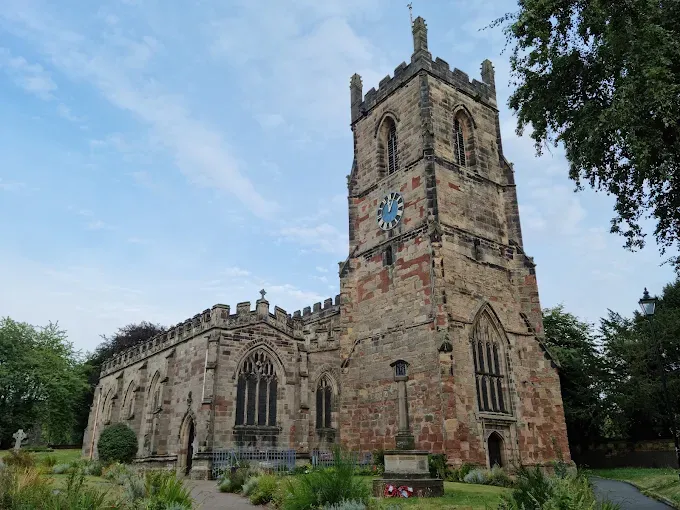
St Helen's, on Lower Church Street beside the castle, is Grade I listed. It was largely rebuilt from 1474 by William, Lord Hastings, at the same time he was turning his manor house into the castle, and enlarged again in the 1870s.
Inside, the Hastings Chapel holds the alabaster tomb of Francis Hastings, 2nd Earl of Huntingdon (died 1560), and Selina, Countess of Huntingdon, founder of an 18th-century evangelical movement, is buried in the family vault. Look out for the rare wooden finger pillory at the west end, once used to restrain unruly members of the congregation, the 1679 carved reredos and the brass chandelier given in 1733.
Events at the castle
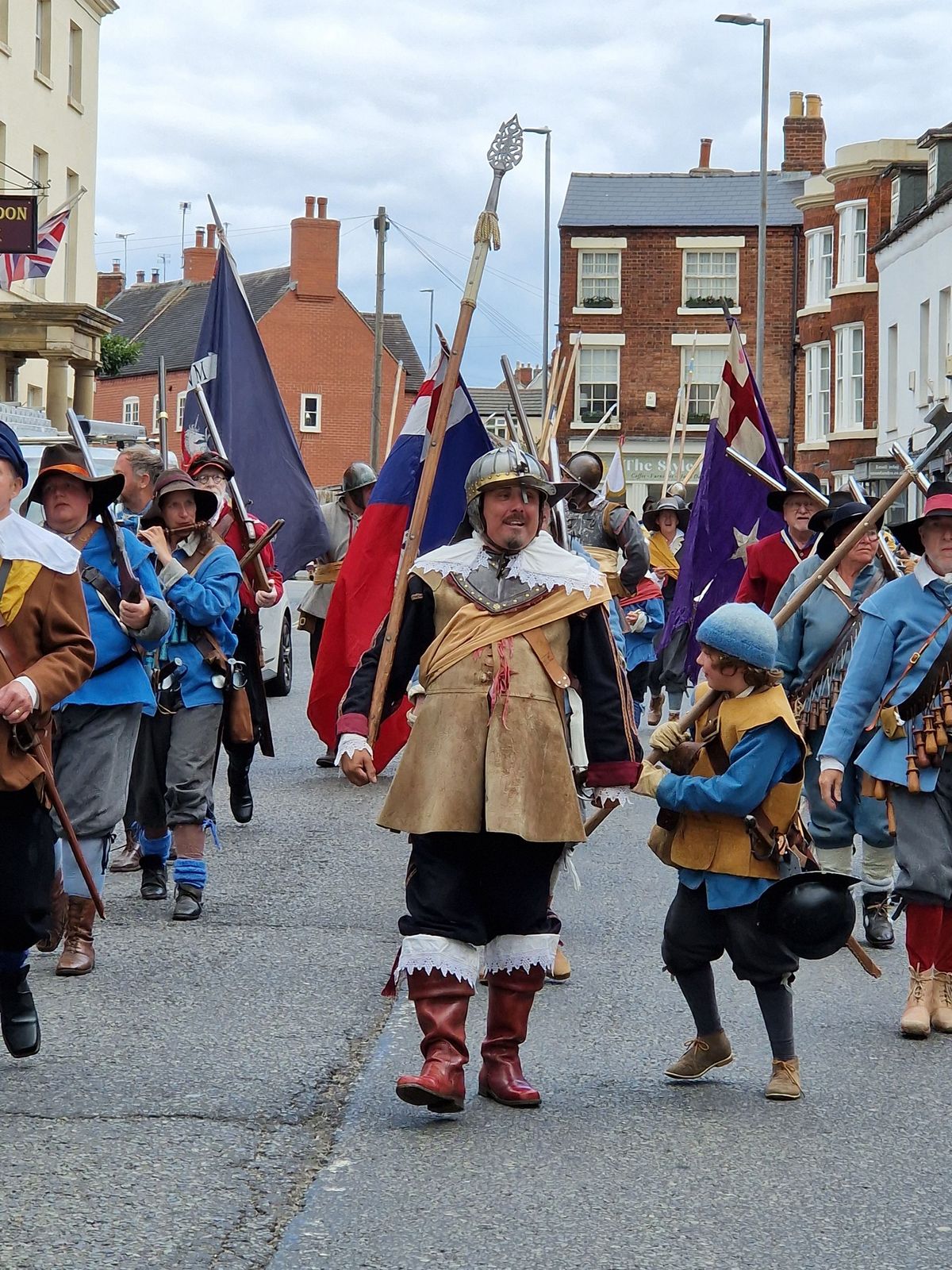
Re-enactors bring the castle's history to life at events through the year. See what's on.
A floral town
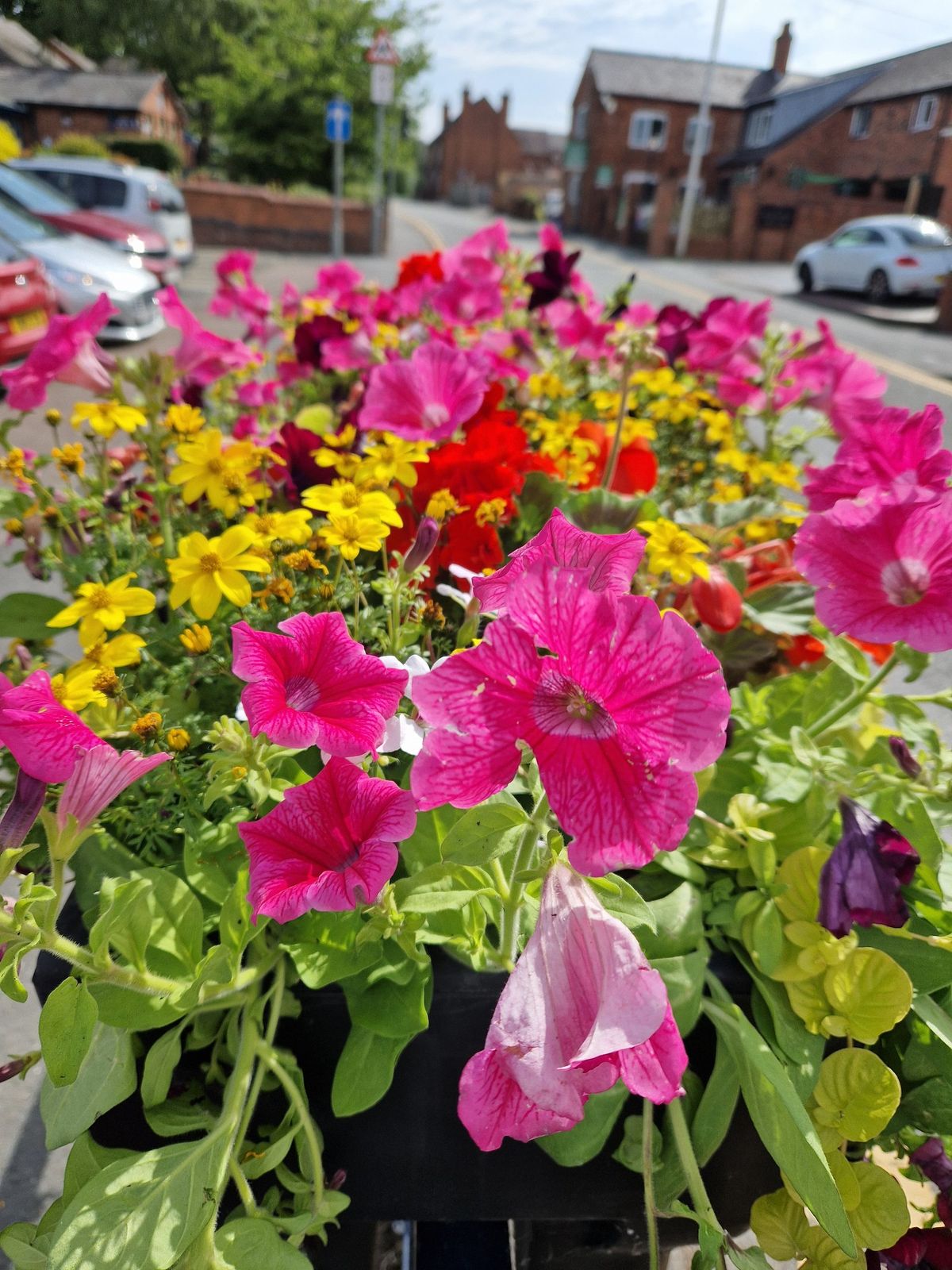
Summer floral displays brighten the town centre, so it is worth a wander between the shops.
With the family

Say hello to the Paddington bench, a favourite photo stop for children.
Did you know? The 17th-century White Hart coaching inn is said to have kept a bear in the cellar to calm rowdy customers.
Planning a day out? See how to get here and where to park, or what's on.